Install the Right Device the First Time
New backflow preventer installations for commercial and residential properties throughout Southern California
Installing a backflow preventer is required whenever a new water connection poses a potential contamination risk, such as irrigation systems, fire suppression lines, or industrial processes that use chemicals or additives. In Big Bear City, the type of device you need depends on the hazard level of the application and the requirements of the local water district, which determines whether a reduced pressure zone assembly, double check valve, or other configuration is appropriate. Holt Backflow Testing, LLC selects and installs the correct device based on your system design and regulatory guidelines.
The installation process includes mounting the assembly at the correct height and distance from walls or structures, connecting it to the water supply line with proper orientation and support, and ensuring test ports and relief valve drains are accessible for future testing. After the device is installed, it is tested immediately to verify that all internal components are functioning correctly and that the assembly meets the performance standards required for certification. You receive documentation showing the installation date, device model, and initial test results.
If you are adding an irrigation system, upgrading a fire line, or need a backflow preventer installed in Big Bear City for any new connection, contact Holt Backflow Testing, LLC to discuss sizing and placement.
Sizing and Placement That Meets Code Requirements
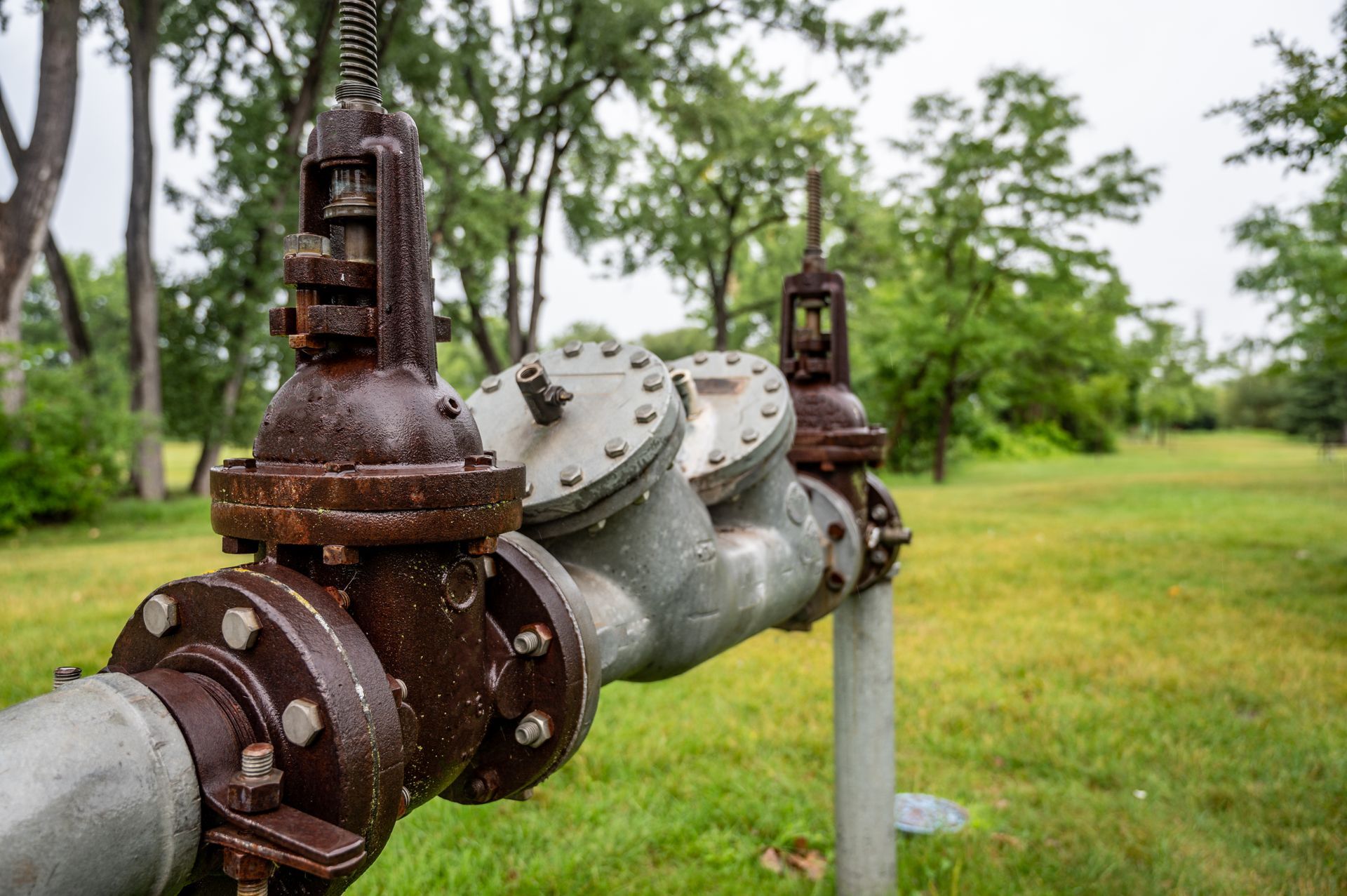
Proper installation starts with selecting a device that matches the flow rate and pressure characteristics of your water system, which prevents unnecessary pressure loss and ensures the assembly can handle peak demand without restricting flow. In Big Bear City, the installer measures the diameter of the supply line, calculates the maximum flow required by the application, and chooses a backflow preventer that accommodates those specifications without oversizing.
Once the device is installed, you will notice that test ports are clearly marked and accessible, the relief valve drain is positioned to prevent flooding, and the assembly is supported with brackets or straps that prevent stress on the pipe connections. The installation is inspected to confirm it meets local plumbing codes and cross-connection control regulations before the initial test is performed.
The device must be installed above ground and protected from freezing in cold weather, which may require insulation or relocation depending on your property layout. If your system includes multiple hazard points, additional backflow preventers may be required at each connection to maintain compliance and protect the public water supply.
Details to clarify before installation begins
Understanding what type of backflow preventer you need and where it should be installed helps ensure the work is done correctly and passes inspection the first time.
Holt Backflow Testing, LLC handles all aspects of installation, from device selection to final testing and documentation. If you are located in Big Bear City and need a backflow preventer installed for a new or upgraded system, get in touch to schedule an evaluation.